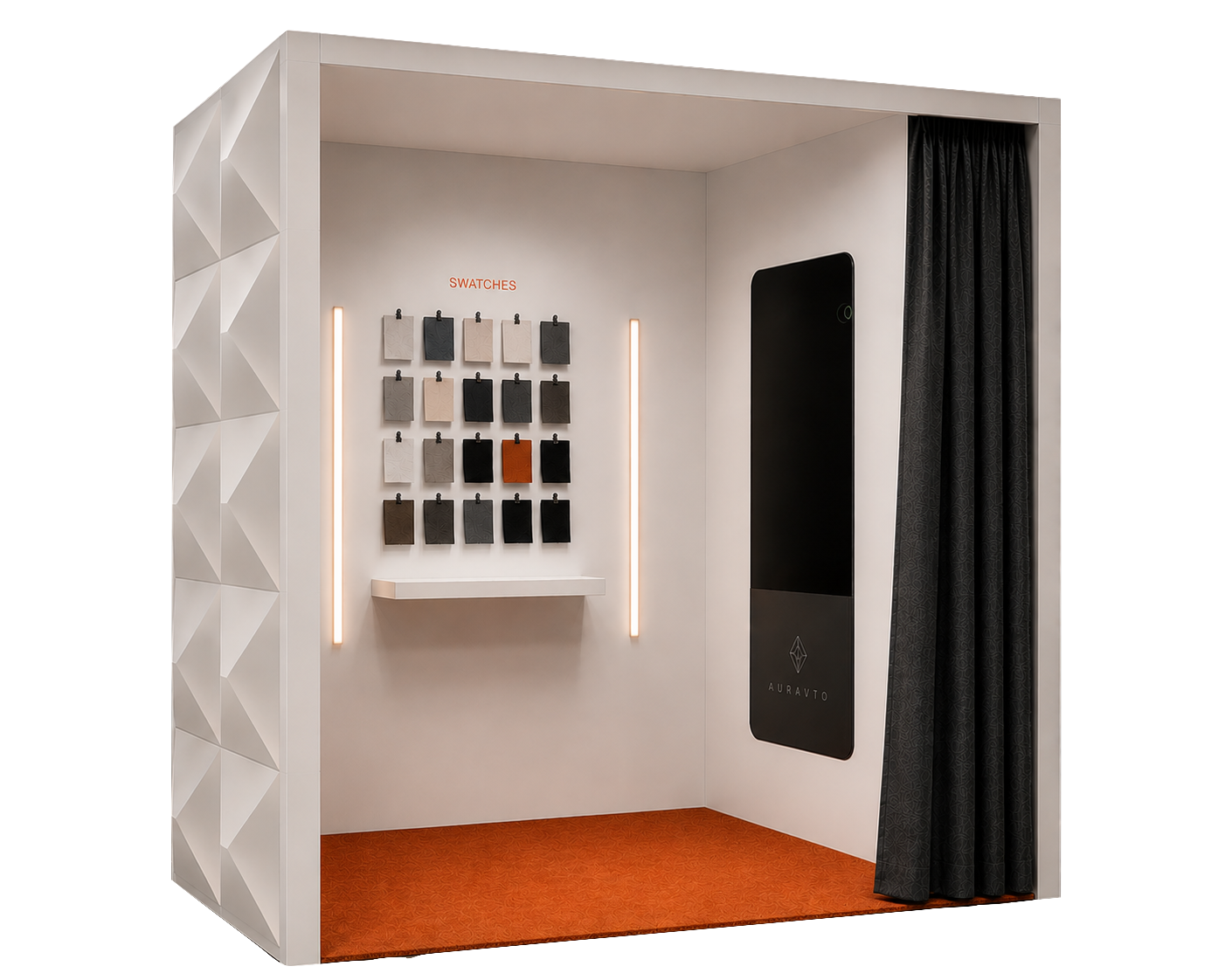
A1 Atrium
Connect your Shopify catalogue once. Your brand is tried on, and bought, in places you do not rent.
Next up · the engine behind it is live today on W1One catalogue. A hundred storefronts you don't rent.
An ORA screen in a mall atrium carries your whole catalogue. A shopper walks up, tries your garments on their own body, and buys. You never leased the space, stocked it or staffed it.
- No lease, no fit-out, no stock at the location, no staff
- Every SKU, every size and colour, always in stock on the screen
- One payment, settled to your brand. You see every session and every sale
Walk up. Try it on. Take it home.
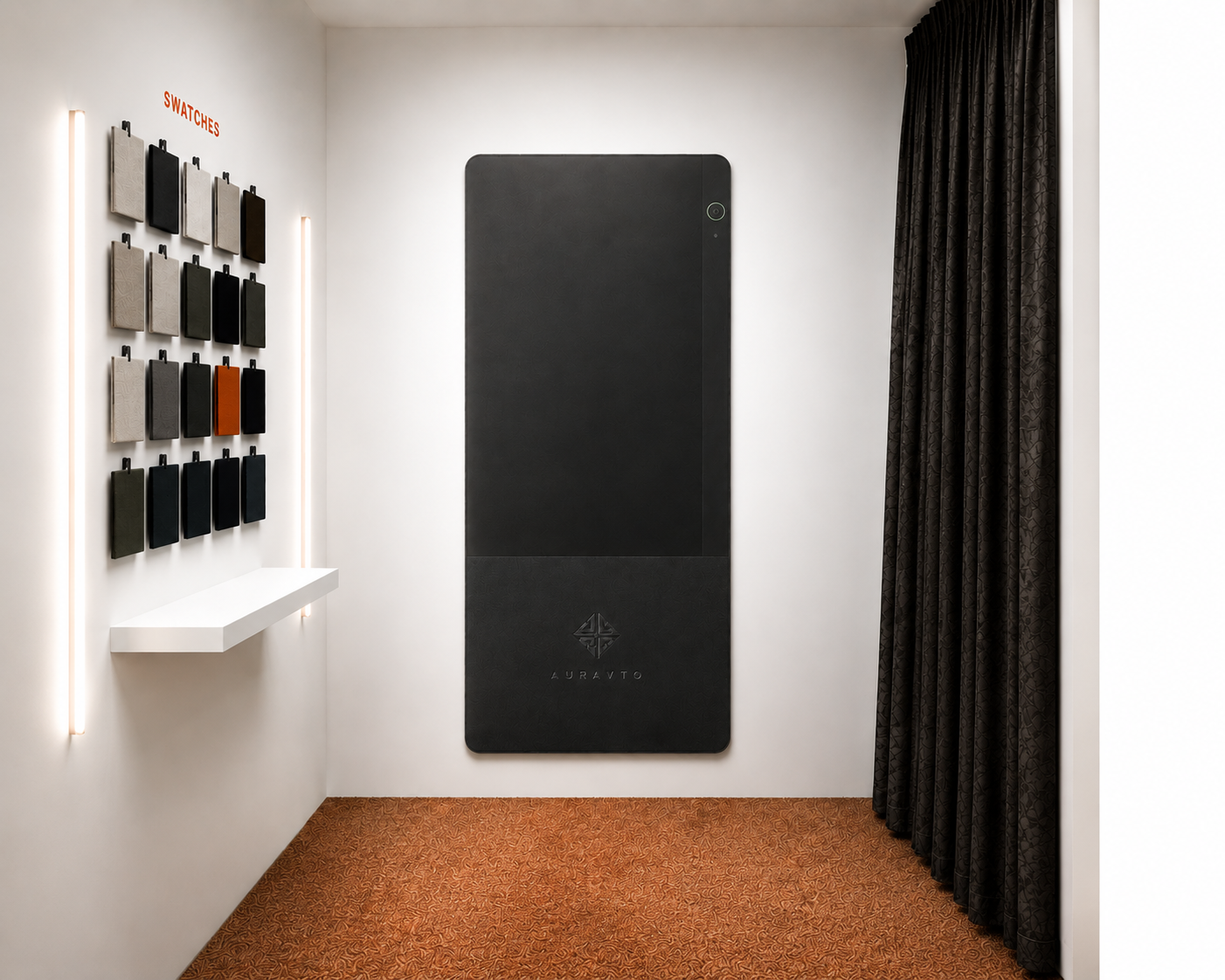
- 01They step in front of the screen. No app, no scan, no markers
- 02They browse brands and garments, or scan a code to drive it from their own phone
- 03The garment is on them, live, moving as they move. Size and colour swap without a restart
- 04They pay once, for a bag that may hold three brands. Each brand is settled its share
- 05Delivered to their door, or picked up where your stock already is
Presence without overhead. Numbers without guesswork.
- Reach
Cities you have no store in
A screen in a mall atrium is a storefront for every brand on it. Your assortment is the catalogue you already run, so a new location costs you nothing to open.
- Attribution
Every session, every sale, back to you
Who tried what, what went in the bag, what was paid. Per location, per garment. The numbers a store never gives you, from a store you never opened.
- Inventory
Nothing on the floor
The screen never sells out. Fulfilment runs from the stock you already hold, so there is no second pool to buy, count or mark down.
- Checkout
One payment, split settlement
A shopper pays once for a bag that may hold three brands. ORA settles each brand its share. The shopper meets one checkout, you meet one statement.
Own the territory. ORA brings the catalogue.
Operate the local ORA footprint. The brands supply the products digitally, the engine runs the try-on, and territory-level attribution makes the value each location creates visible.
- You hold the sites and the relationships. ORA holds the engine and the catalogue feed
- Every location reports sessions and attributed sales on its own line
- No stock, no staff on the floor. The booth runs unattended
Built in the open.
- 01Live today
The engine
The same live try-on runs on W1, on two real stores, with real shoppers. See the numbers.
- 02Next
The first Mirror
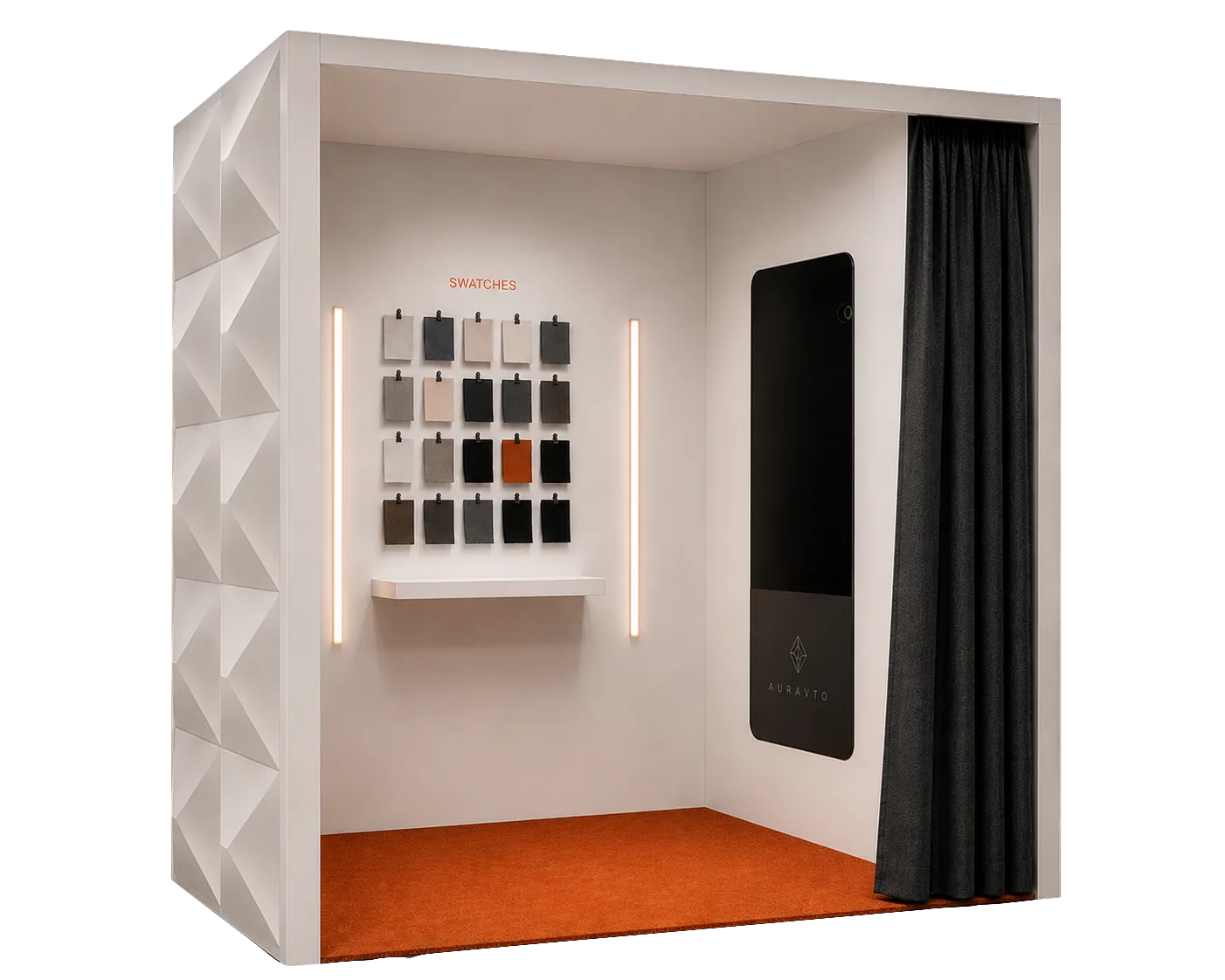
M1 puts the engine on a screen in a store. The Atrium booth is the same screen, taken to the mall floor.
- 03At launch
The network
100+ screens and locations is committed capacity at launch, not a count of live sites. We say so here because we will say so in the contract.
Do I need stock at the location?
No. The screen carries the catalogue; fulfilment runs from the stock you already hold, delivered to the shopper or collected from your nearest store.
What do I have to build?
Nothing. If you are on Shopify, connecting your catalogue is the same install as W1. The product image you already sell with is the garment. No photoshoot, no 3D.
How is a sale attributed?
Every session is tied to the garments tried and the bag paid for. You see sessions, try-ons and sales per location and per garment, in your ORA admin.
Who takes the payment?
The shopper pays once, to ORA, for a bag that may hold several brands. Each brand is settled its share. One checkout for them, one statement for you.
What about the shopper's camera?
The try-on renders live. ORA’s own servers never receive the camera video; our video provider processes it and deletes the session input and output within 48 hours. The booth tells the shopper before the camera starts.
When?
The engine is live on W1 now. The first Mirror comes next, and the Atrium network follows it. We publish dates when they are contracted, not before.
Everything they can't try on is a sale you don't make.
Now in a hundred places you never had to open.
The same engine, live on W1 at 1954 · Studio Fiftyfour and B Label: try-on sessions